
That’s Not My Neighbor and the door check that decides who gets in
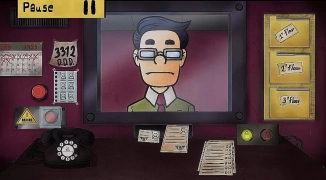
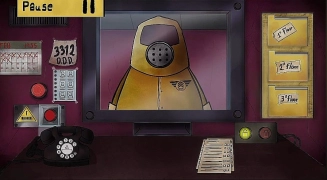
This action shift puts you behind a counter in a 1955 apartment building, where every visitor may or may not be who they claim to be. You inspect papers, match photos, and catch tiny mismatches before you hit the green button or trigger the alarm.
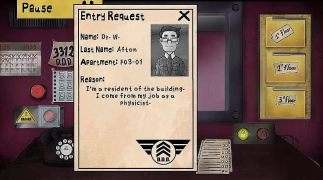
The tension comes from the details: eye shape, face structure, apartment number, and issue date can all expose a double. That kind of close reading also fits the game’s detective side, and it plays in your browser with no download and no signup.
Check every document before the door opens
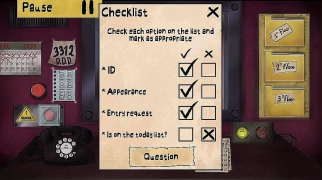
Each person walks up to your desk and asks to enter, so your job is to compare the ID against the resident list, not guess from first impressions. If the name, photo, or apartment number does not line up, you block the entry and keep the building safe.
That slow, exact checking makes the attention tag fit naturally, because one missed clue can send the wrong person upstairs. The game also leans into puzzle logic as you sort real residents from perfect copies.
Smarter doubles raise the pressure each shift
The game is split into day shifts, and the counterfeit visitors become harder to spot as you go. Your final rank runs from S to F, so careful calls matter more than speed when the line keeps moving.
Because the checks get stricter over time, it shares a strong survival-style edge with Five Nights at Freddy’s, where watching for danger is half the challenge. If you enjoy eerie identification work, the horror and mystery layers stay front and center.
Mouse clicks, green lights, and red alarms
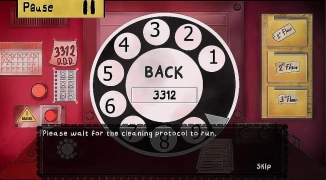
You use the mouse to take documents, review the records, and decide who passes through the entrance. The green button admits a valid tenant, while the red button calls an alarm when something does not add up.
That simple control setup makes the game easy to handle on point and click terms, and it works on mobile as well as desktop. If you like watching for tiny visual tells, Crime City Detective: Hidden objects is a close match for the same careful-eye appeal.
Since every mistake affects the fate of the residents, the best runs come from patience, clean comparisons, and a steady hand at the desk.