

Stacklands and the card-driven way you grow a settlement
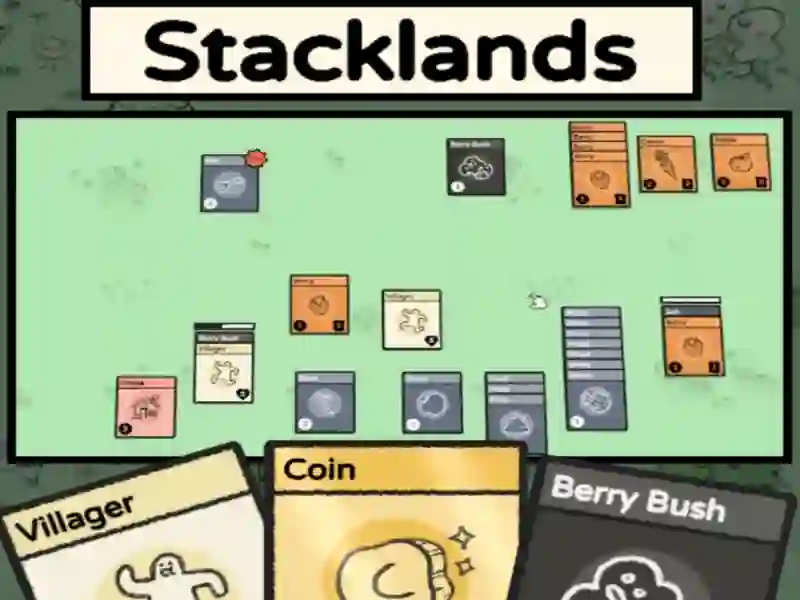
Stacklands mixes simulation decisions with a tabletop-style board, so every building, person, and resource sits on a card. You drag cards together to trigger actions, like sending a villager to a berry bush so food starts coming in, and the whole setup plays out in a neat stacked layout.
Cards that work together on the board
The real challenge is spotting which cards belong together and when to move them. A villager can collect from a berry shrub, then you can drag the food card back to the villager to restore satiety, which keeps your town running without messy menus. It feels very close to a management puzzle, and the card logic gives each move a clear result.
Growing the town through quests and resources
As your area expands, the board gets busier and every new card changes how you plan the next move. That makes the build-up feel similar to Money Land in the way you balance progress and resources, but here you do it through card combinations instead of simple upgrades. The game also pushes you through plenty of quests, so you are always chasing the next useful piece.
Drag or tap to manage the stack
The controls stay straightforward: drag or tap cards to move them into place. That makes it easy to play on a desktop or a touch screen, and the card pile grows more interesting as you learn which stacks create food, work, or progress. If you like town growth with a more hands-on setup, Tiny Landlord and City Constructor scratch a similar building itch, while Forge of Empires leans harder into long-term empire building.
Building, City, and Management all matter here, because every card you place changes how the settlement behaves. On YaYoYe, you can keep experimenting with combinations and see how far your stacked city can grow, no signup needed.