
Mahjong Connect Classic και η διαδρομή πλακιδίων με δύο στροφές
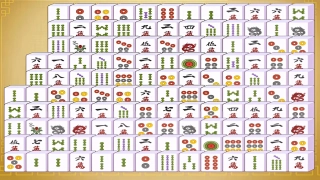
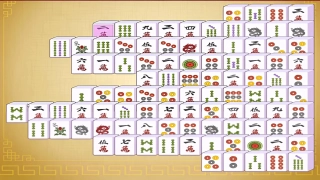
Το Mahjong Connect Classic μετατρέπει το ταίριασμα πλακιδίων σε ένα χρονικό παζλ για ανοιχτές διαδρομές, οπότε κάθε κίνηση εξαρτάται από το τι μπορεί να συνδεθεί πριν σφίξει ο πίνακας. Ταιριάζεις ίδια σύμβολα χαράζοντας μια διαδρομή με το πολύ δύο ορθές στροφές, και μετά χρησιμοποιείς αυτή την αφαίρεση για να αποκαλύψεις νέες λωρίδες και νέα ταιριάσματα.
Διαβάζοντας τις ανοιχτές άκρες κάτω από το χρονόμετρο
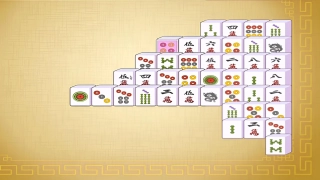
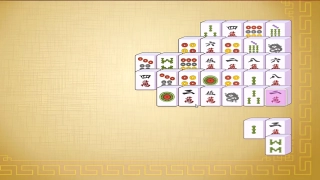
Η πίεση έρχεται από το χρονόμετρο, που σε σπρώχνει να ψάχνεις για ζευγάρια που βρίσκονται στην άκρη ή δίπλα σε κενό χώρο. Καθάρισε πρώτα αυτά και συχνά ανοίγεις μια μεγαλύτερη αλυσίδα διαδρομών, ενώ τα μπλοκαρισμένα πλακίδια μένουν άχρηστα μέχρι να αλλάξει η διάταξη. Αν σου αρέσει η ίδια δομή σύνδεσης και καθαρίσματος, το Butterfly Kyodai χρησιμοποιεί έναν παρόμοιο πίνακα σύνδεσης με διαφορετικό οπτικό θέμα.
Γιατί έχει σημασία το μήκος της διαδρομής
Το παιχνίδι ανταμείβει μόνο ζευγάρια που μπορούν να ενωθούν μέσω καθαρής διαδρομής, οπότε πρέπει να κρίνεις και τις γωνίες και τα σύμβολα. Αυτό σημαίνει ότι η καλύτερη κίνηση δεν είναι πάντα το πιο κοντινό ταίριασμα· είναι αυτή που αφήνει το ταμπλό πιο ανοιχτό για το επόμενο καθάρισμα. Το Mahjong Connect 2 κρατά την ίδια πίεση βασισμένη στη διαδρομή αν θέλεις άλλον έναν γύρο του ίδιου μηχανισμού.
Κλασικά πλακίδια, γρήγορες αποφάσεις
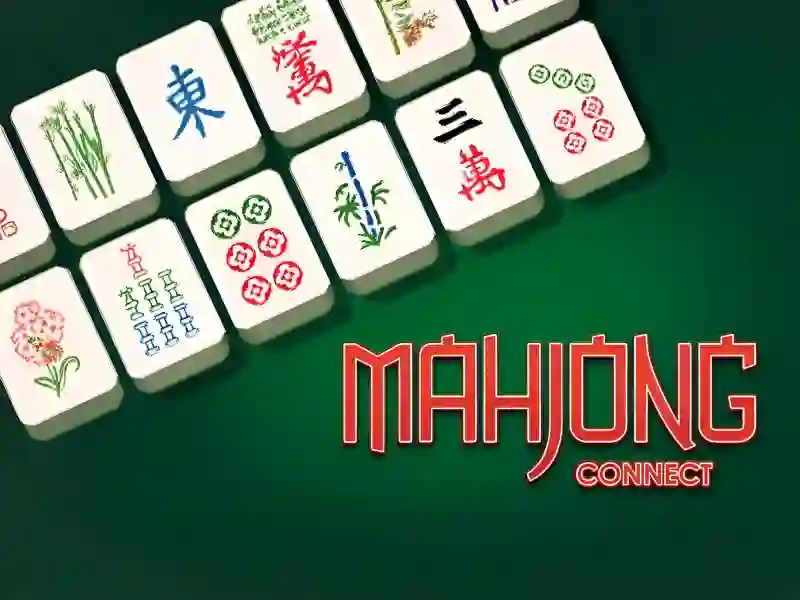
Η τέχνη πλακιδίων σε κινεζικό στυλ δίνει σε κάθε ταμπλό μια γνώριμη όψη, αλλά το κυνήγι της βαθμολογίας αφορά κυρίως την ταχύτητα και την ακρίβεια. Επειδή προσπαθείς να αφαιρέσεις κάθε πλακίδιο πριν τελειώσει ο χρόνος, ένα δυνατό καθάρισμα μπορεί να μετράει περισσότερο από μια ακατάστατη σειρά από μαντεψιές. Για μια γιορτινή παραλλαγή του ίδιου σχήματος, το Kris-mas Mahjong βάζει εποχιακά πλακίδια, και το Mahjong είναι εδώ αν θέλεις πιο παραδοσιακή διάταξη.
Αν σου αρέσει το διάβασμα διαδρομών και το καθάρισμα ζευγαριών, το Mahjong Alchemy προσφέρει ένα ακόμη ταμπλό ταίριασματος όπου η αναγνώριση μοτίβων καθοδηγεί κάθε κίνηση.