

Falling Fruits and the fruit-merging grid in Puzzle play
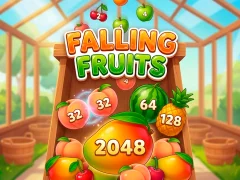
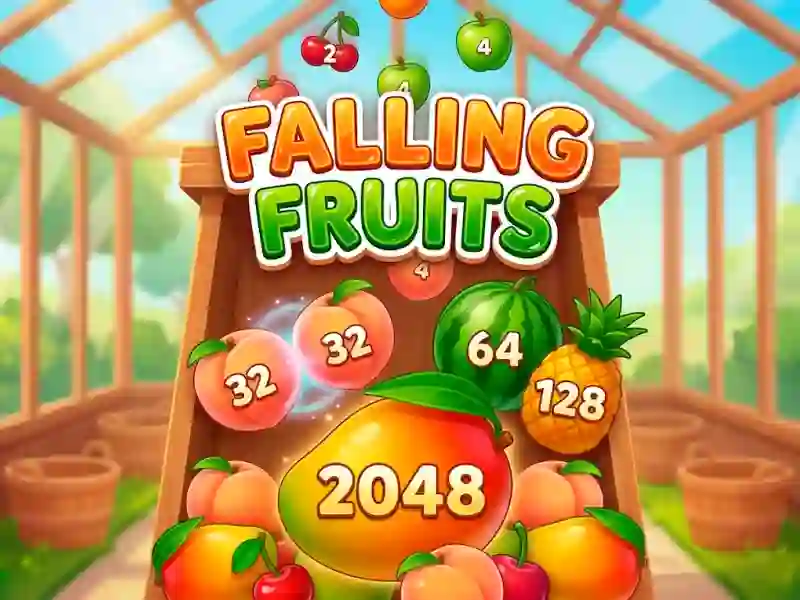
In Falling Fruits, each drop matters because matching fruit values combine into a larger one, and every move pushes you closer to a crowded board. The look is built around fruit tiles and a simple merge setup, so you focus on spacing, timing, and the next merge rather than any long setup.
The challenge comes from keeping the grid open while you chase higher-value pieces, which makes every placement feel like a small calculation. If you enjoy merge boards like Watermelon Suika Game, this one uses the same kind of stacking pressure with a fruit-first twist.
Sliding tiles and matching the same value
The core move is straightforward: guide fruit tiles, line up equal values, and combine them into a better piece. That means you are always scanning for the best landing spot, because a single bad drop can box in the rest of the board.
There is no need for complicated rules here, just careful placement and a steady eye on what can merge next. For a similar merging rhythm, Merge Fruit follows the same style of pairing identical fruit to build bigger results.
Keeping the board open
What makes the run tense is the balance between creating value and preserving space. You want to build toward bigger fruit, but you also need to leave room so the grid does not lock up before your best chain appears.
That pressure gives the game a clear score-chasing angle, and it works well as a 2048-style merge board where every placement can change the whole layout. The endless structure also makes it a natural fit for Endless runs when you want to keep pushing for a better result.
Why the pace keeps you thinking
Falling Fruits sits in the same mechanical lane as 2048 Merge, but the fruit theme makes the merging path feel more visual and direct. If you like reading a board, planning one move ahead, and watching values climb, this one gives you that merge loop without extra clutter.
You can jump in without a long explanation, and the controls stay easy to read from the first move. When a board starts to tighten, the smartest play is often to pause, spot a clean merge, and build from there.