

Mahjong Quest un salikto flīžu piramīdas izaicinājums
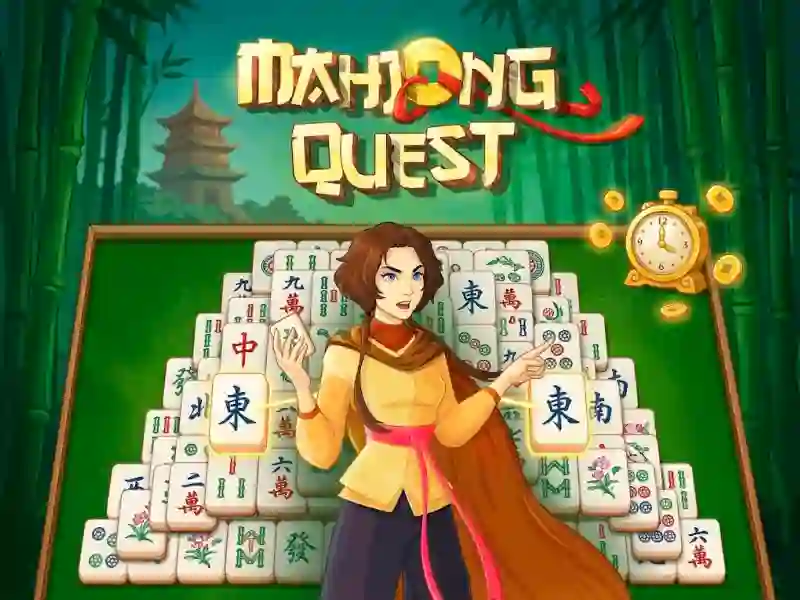
Mahjong Quest pārvērš klasisko flīžu saskaņošanas uzdevumu slāņainā piramīdā, un katrs gājiens atver jaunus simbolus, kad tu ej lejup. Tas lieliski iederas Puzle kategorijā, un bez lejupielādes un bez reģistrācijas formāts tevi notur uz laukuma, nevis izvēlnēs.
Saskaņo tikai brīvās flīzes
Pamatnoteikums ir stingrs: pāri vari noņemt tikai tad, ja katra flīze ir atvērta vismaz vienā pusē. Šis vienkāršais ierobežojums liek katram lēmumam būt svarīgam, jo viens nepareizs pāris var atstāt noderīgu simbolu zem augstāka slāņa.
Laukumā izmantots tradicionāls ķīniešu stila flīžu mākslas noformējums, tāpēc simbolus ir viegli nolasīt, kamēr tu meklē atvērtus pārus. Ja tev patīk tāds pats spriegums citos izkārtojumos, Mahjong Connect Remastered piedāvā saistītu flīžu noņemšanas izaicinājumu, bet Mahjong 3D pazīstamo loģiku pārvieto citā skatā.
Steidzies pēc medaļām, pirms beidzas taimeris
Ātrums šeit ir daļa no rezultāta, jo katrā raundā vari saņemt zelta, sudraba vai bronzas medaļu atkarībā no tā, cik ātri pabeidz. Tas nozīmē, ka tu ne tikai attīri piramīdu, lai uzvarētu; tu arī centies salikt savus gājienus tā, lai labākā medaļa paliek sasniedzama.
Taimeris spēlei piešķir asāku malu, īpaši tad, kad grūti aizsniedzams pāris ir pēdējais šķērslis uz laukuma. Vairāk flīžu noņemšanas stratēģijas sniedz Diamond Solitaire Mahjong, kas saglabā to pašu solitēra stila spriedzi, un Mahjong Alchemy balstās uz to pašu saskaņošanas fokusu.
Izmanto izkārtojumu, lai vispirms atvērtu stūrus
Piramīdas forma ir vairāk nekā tikai dekorācija, jo augšējie slāņi slēpj zem tiem esošās rindas, līdz tu notīri pareizās flīzes. Darbs vispirms no stūriem un ārējām malām parasti atklāj labākus ceļus, un tas padara pēdējos pārus vieglāk sasniedzamus gan datorā, gan mobilajām ierīcēm draudzīgos ekrānos.
Ja tev patīk sekot atvērtām flīzēm un plānot tīru maršrutu, Mahjong un Saskaņošana lapas aizved tevi uz līdzīgiem laukuma izaicinājumiem. Tas padara Mahjong Quest par labu izvēli, kad gribi salasāmu flīžu puzli ar taimeri, kas iebūvēts pašā skrējienā.